

Extractions & Preservation
Dental Extractions & Preservation in Calgary NE
When it comes to oral health you want to have a comfortable mouth. Sometimes your wisdom teeth come in abnormally or overcrowding of your other teeth can cause pain and infections. This may mean it is time for your teeth to come out. Modern technology and sedation methods have improved dramatically making extractions more safe and less invasive than ever before. An extraction is usually the last option because, if Root Canal Treatment in Calgary can save your affected tooth, it helps preserve much of your natural tooth structure and avoids a more costly solution to replace an entire tooth.
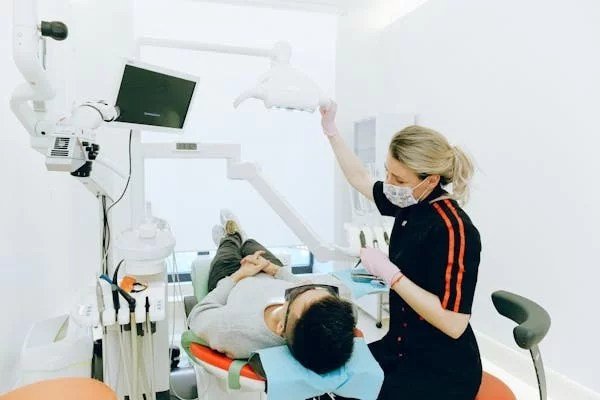
Extractions & Preservation to Keep You Healthy
A root canal treatment in Calgary may be the best way to save your natural tooth when possible. However, if the tooth is too severely damaged or infected to be restored, extraction may be the only effective solution. While removing a tooth may seem like a last resort, dental surgery can improve your overall oral health, relieve pain, and help your mouth look and feel better than you might expect.
Maintains healthy bone
Preserves the natural tooth as much as possible
Easier to eat and speak
Takes away pain
Stops the spread of infection
Eliminates bacteria
Allows you to have a fully functioning mouth
Prevents further dental complications
Extraction & Preservation Treatments at a Dentist in NE Calgary
To preserve your bone structure and prevent further sagging after a tooth extraction & preservation services is key. Loss of bone can occur as your facial structure adjusts to missing or rotting teeth. Optional treatments help in preserving the appearance and function of your jaw.
Your situation will determine whether an extraction or preservation method will provide the desired outcome:
Extractions: Eliminating bad bacteria due to a severely decayed tooth or removing a tooth due to overcrowding are common reasons for a tooth extraction in ne Calgary. Your tooth extraction dentist in Calgary will offer tooth replacement options that may include an implant, bridge, or partial denture. Only you will know the difference. Get rid of the toothache and get back to your pain-free daily life.
Root Canals: Preserving your natural tooth is sometimes an option and this is where root canals come into play. The infected pulp inside your tooth is removed then the canal is cleaned and disinfected. Depending on your unique situation, a filling is put in place, or a dental crown may be used to complete the procedure.
Oral Surgery: Minor dental surgery can repair problems with your gums and bone. Oral surgery includes treatments like general schedule a tooth extractions in Calgary, implants, and dental arch restoration to help you maintain a fully functioning mouth.
Bone Grafting: Your teeth need healthy surrounding bone to function and remain stable. When your bone begins to deteriorate it loses the ability to support your teeth. Bone grafting can help strengthen your dental arch by placing synthetic material where you have bone loss. This helps to support your teeth and aids in establishing new bone growth.
Wisdom Teeth Extractions: Wisdom teeth are notably unpredictable. It is important for your dentist to monitor their growth. Warning signs such as experiencing pain or if they are growing lopsided might indicate the need for their tooth extraction in Calgary.
Benefit from Extraction & Preservation in Calgary
At Savanna Market Dental in Calgary, we want your dental experience to alleviate pain and help you avoid further dental complications. Dental Extractions and preservation in Calgary of your teeth help keep the connected bone healthy and maintain the natural structure of your face. Our ongoing concern includes follow-up appointments to ensure your oral health is in good shape. The benefits of these treatments include avoiding further dental complications.
Discover some services in this segment:
And
Frequently Asked Questions
-
Do you have a severely infected tooth? Are your teeth crowding together with little to no space? Maybe you have a damaged tooth or gum disease. These are all reasons you may need to have a tooth extracted. Your dentist will assess your situation and provide the recommended treatment options.
-
Your dentist will administer a numbing anesthetic so that you won’t feel any pain in the area being worked on. Special dental tools are used to loosen and remove the entire tooth including the root.
-
After a tooth extraction, you may require stitches to close the open wound, but this will depend on the individual tooth being removed. A piece of gauze will be placed on the site to help stop it from bleeding. The gauze needs to stay in place for about four hours and might need to be changed out after this time if the bleeding has not ceased. Your dentist will provide follow-up care to aid in the healing process which may include doing things like applying a cold compress to the outside of your mouth in the area where your tooth was removed. Avoiding strenuous activities for 48 hours and eating a diet of soft or liquid meals helps in the healing process which typically takes a few weeks. It is crucial to avoid sucking on straws or inhaling tobacco products in the first couple of days to avoid dislodging the blood clot.
-
You may experience discomfort in the first few days but will likely be given a prescription medication to help manage any pain. If you have major concerns about the after-effects, then it is important to get in touch with your dentist right away.
-
A few hours of the site bleeding
Discomfort
Swelling at the extraction site
-
Bleeding of the site for more than 12 hours
Chills or a fever
Coughing
Nausea and vomiting
Pain in your chest and shortness of breath